cabbage_daddy (papa_chou, 아빠나빠)

3 min, 50 s | 16:9 | Colour | 2025
Animated Short Film
SHORT SYNOPSIS: Why am I so bad at Korean?
LONG SYNOPSIS:
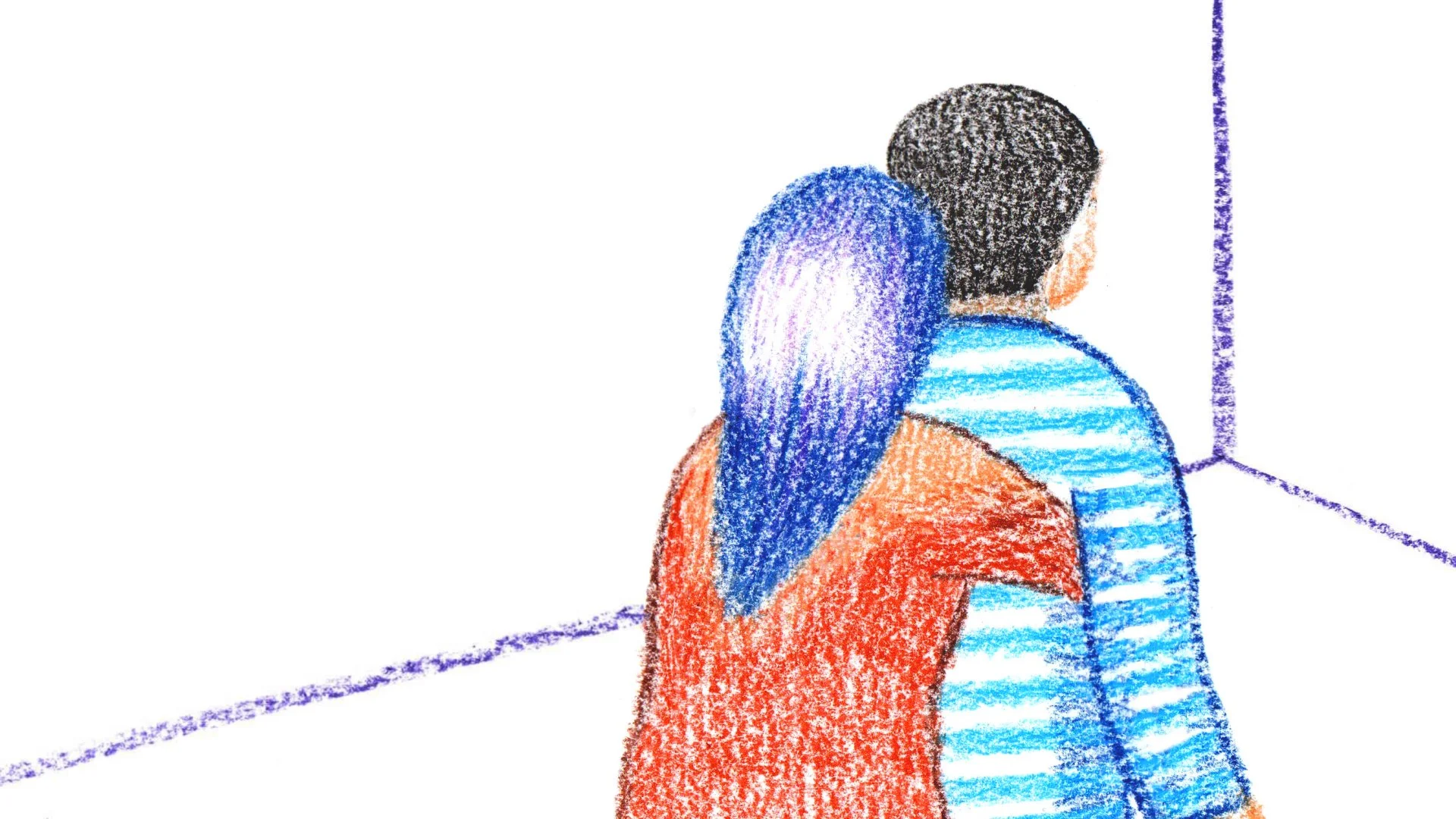
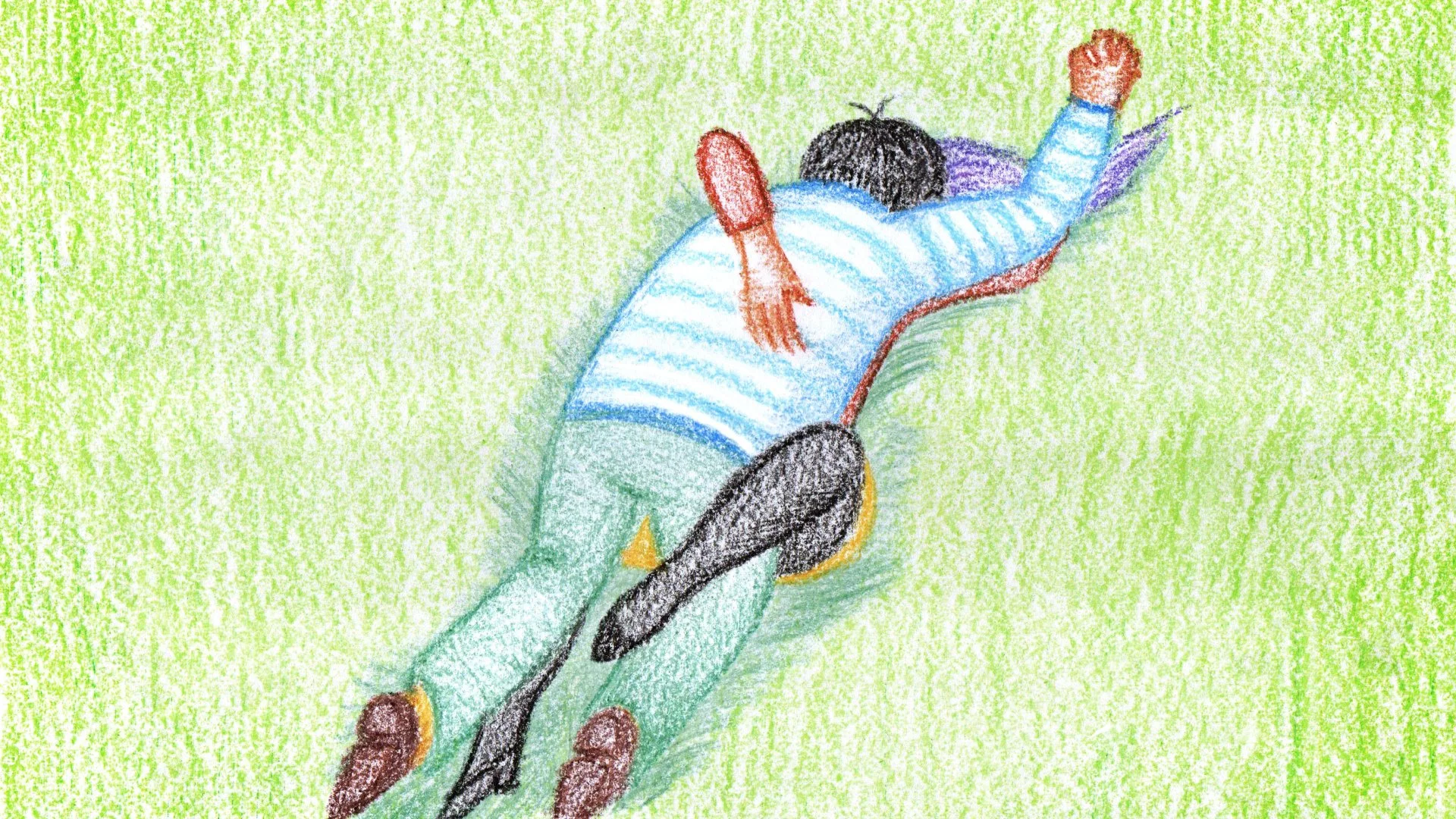
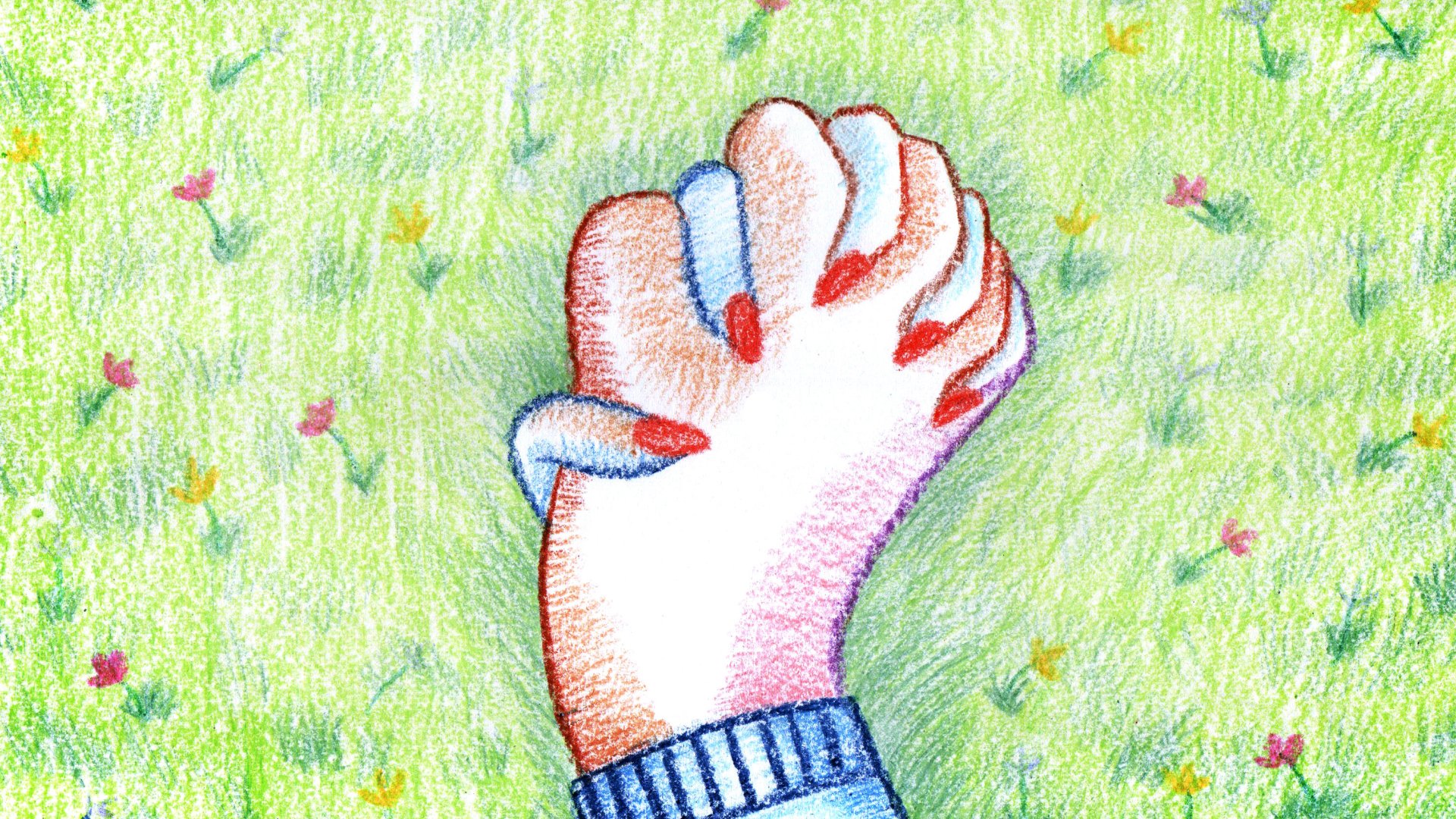
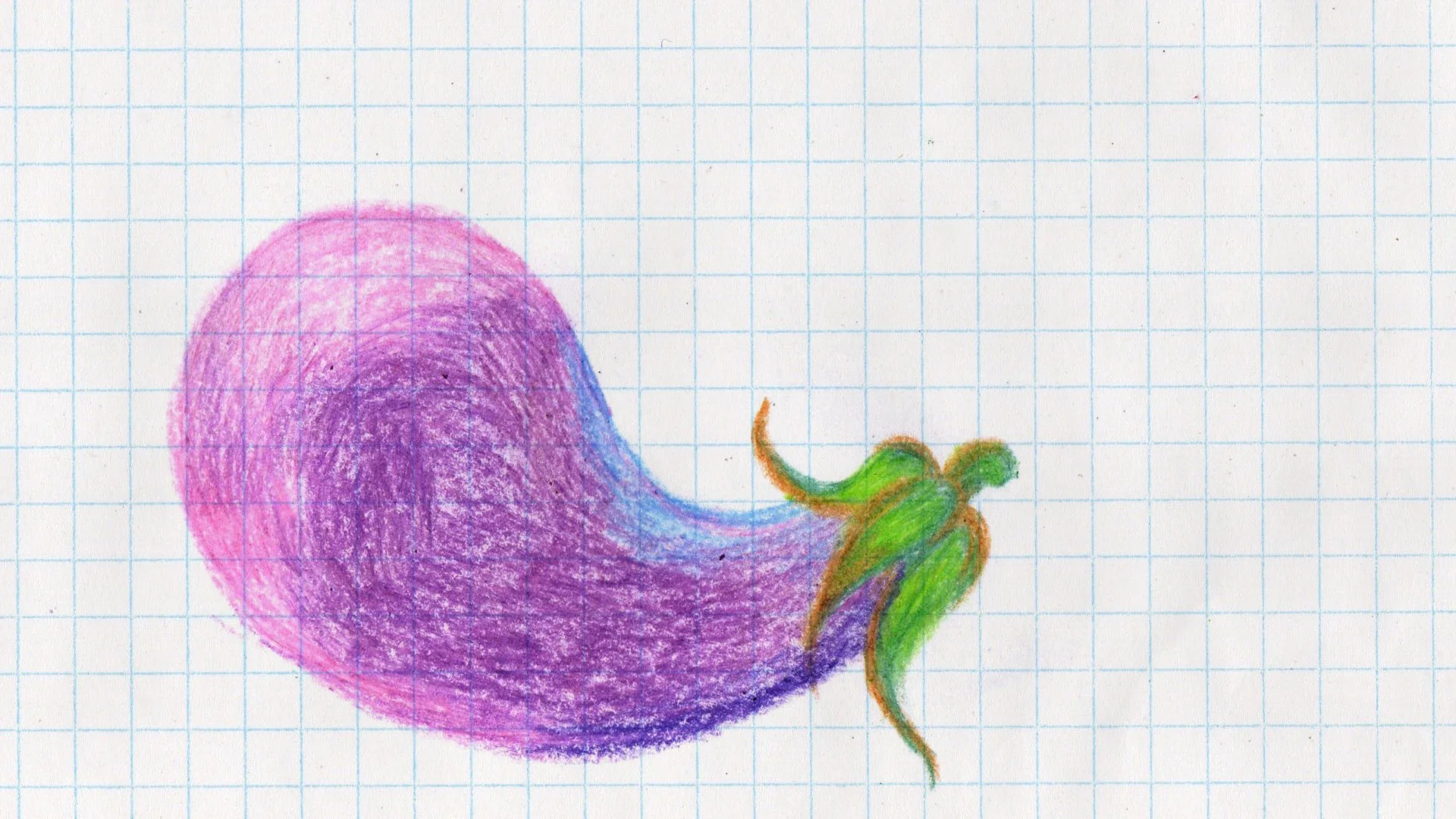
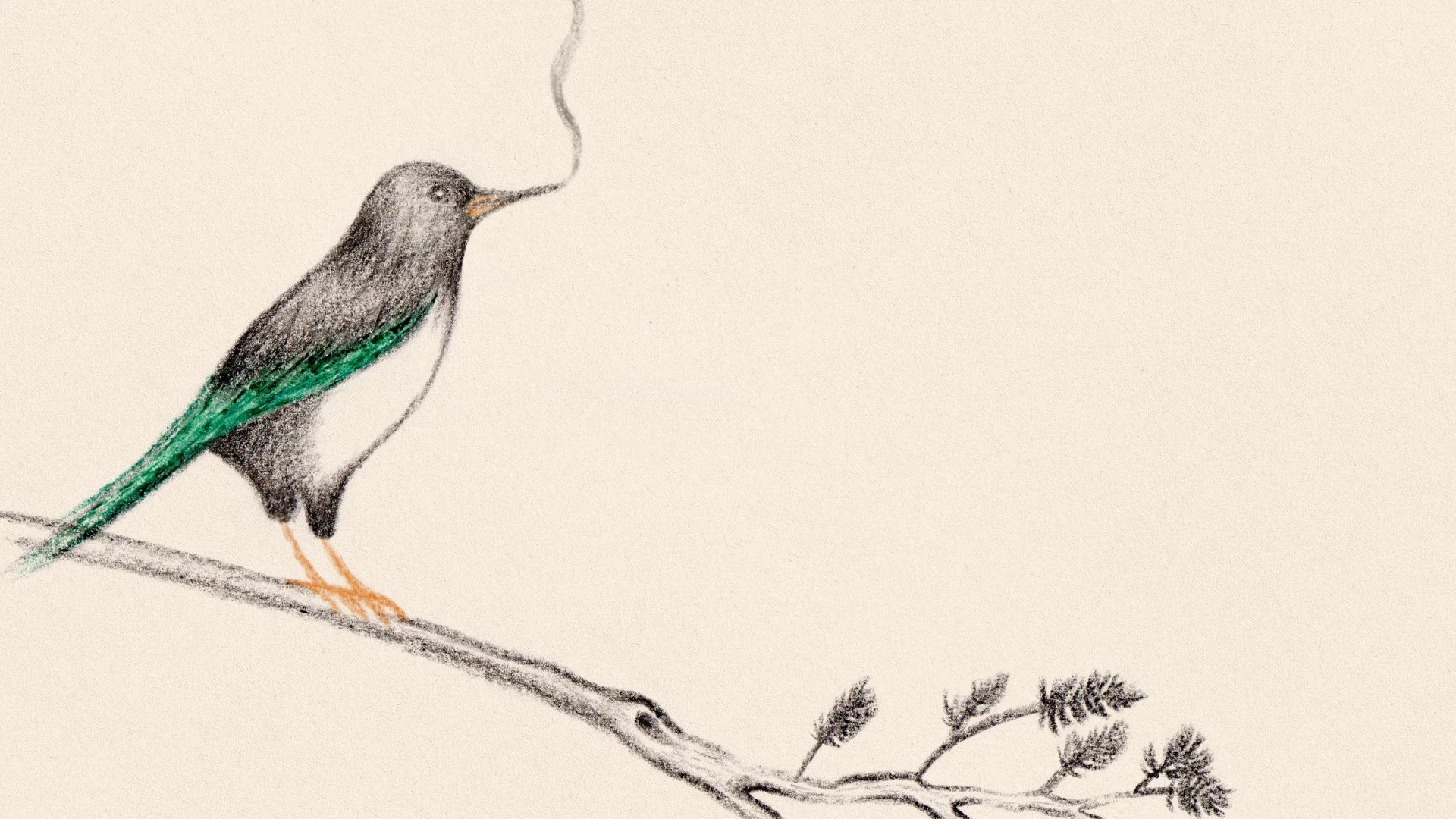
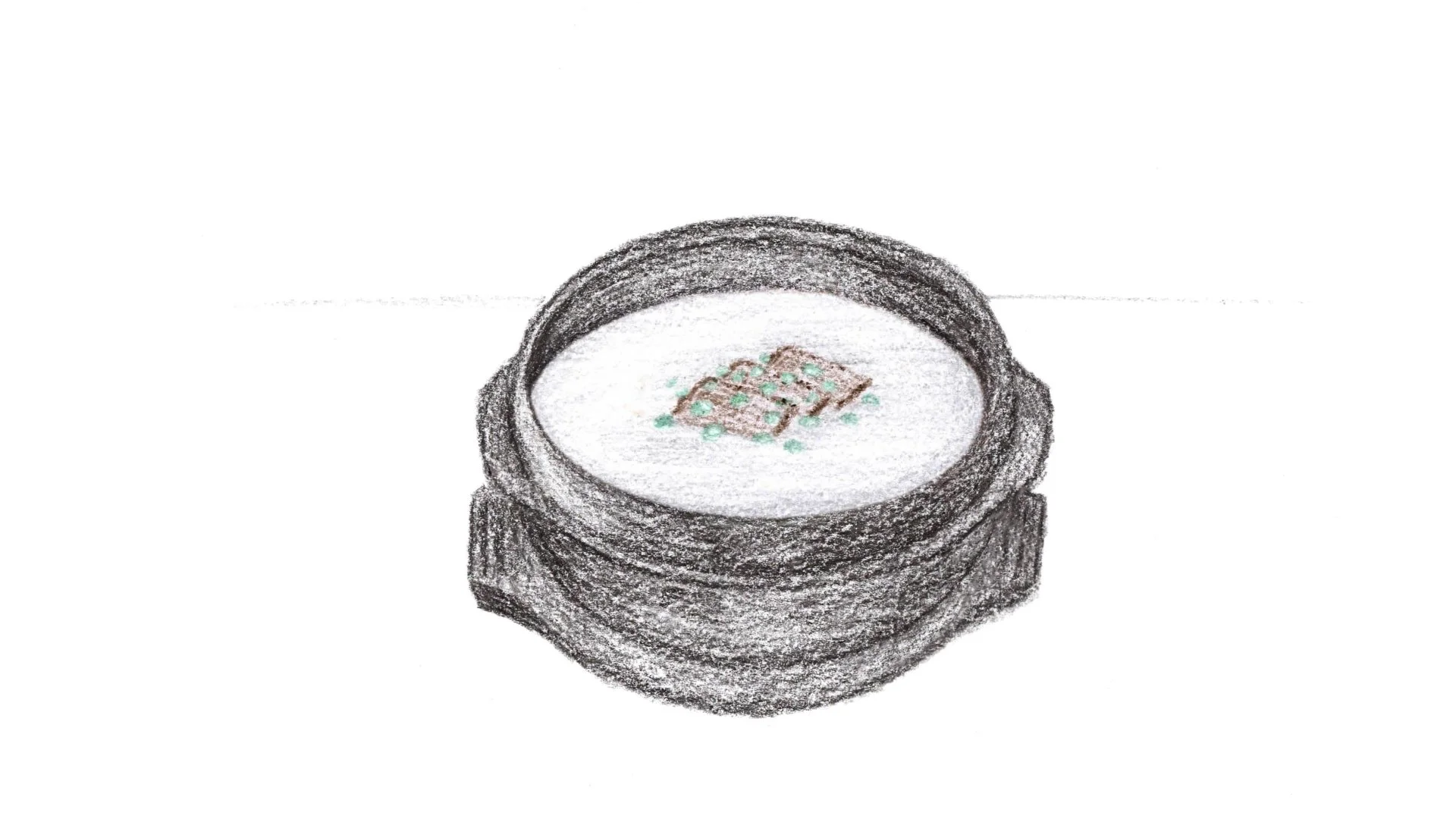
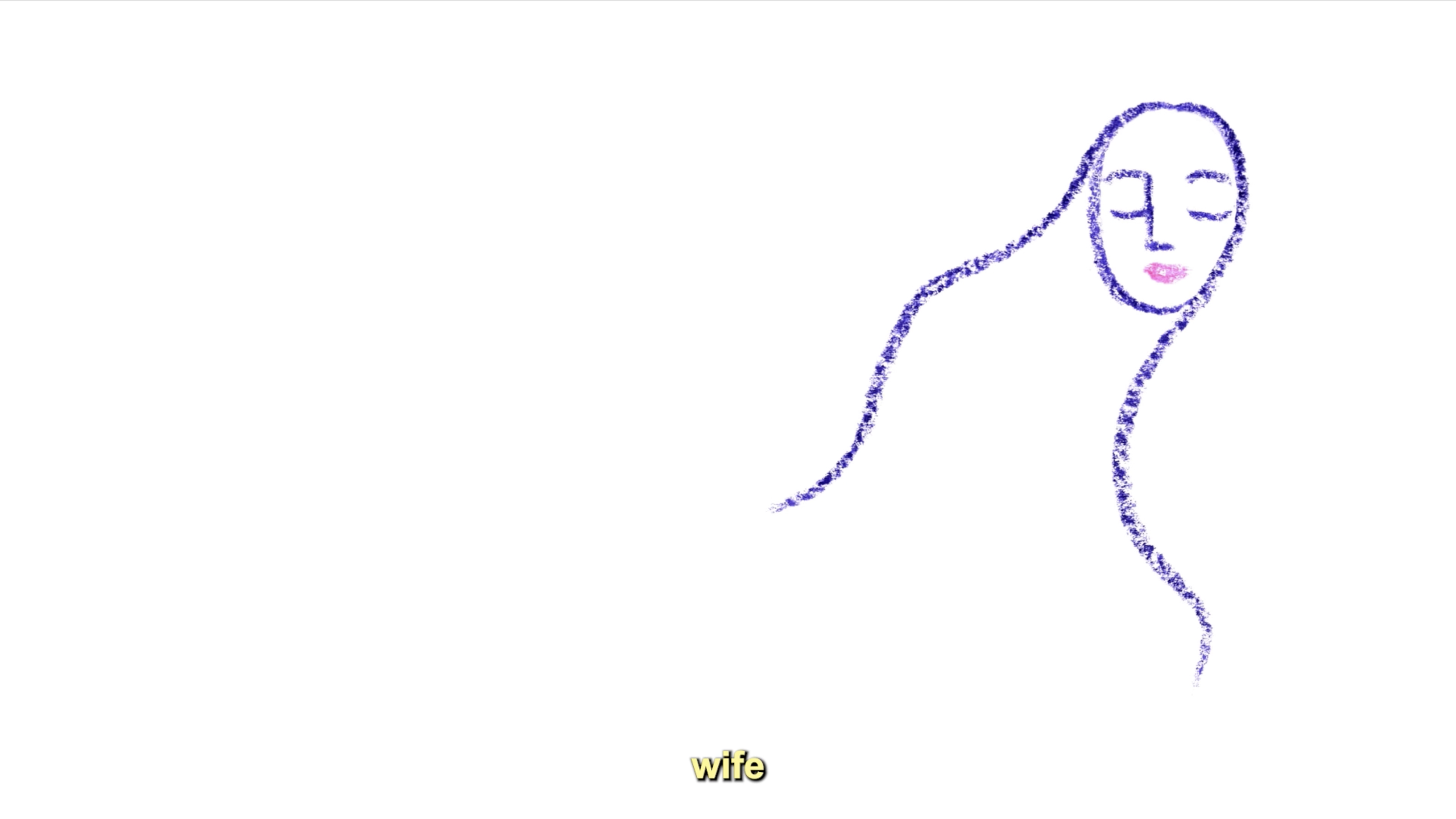
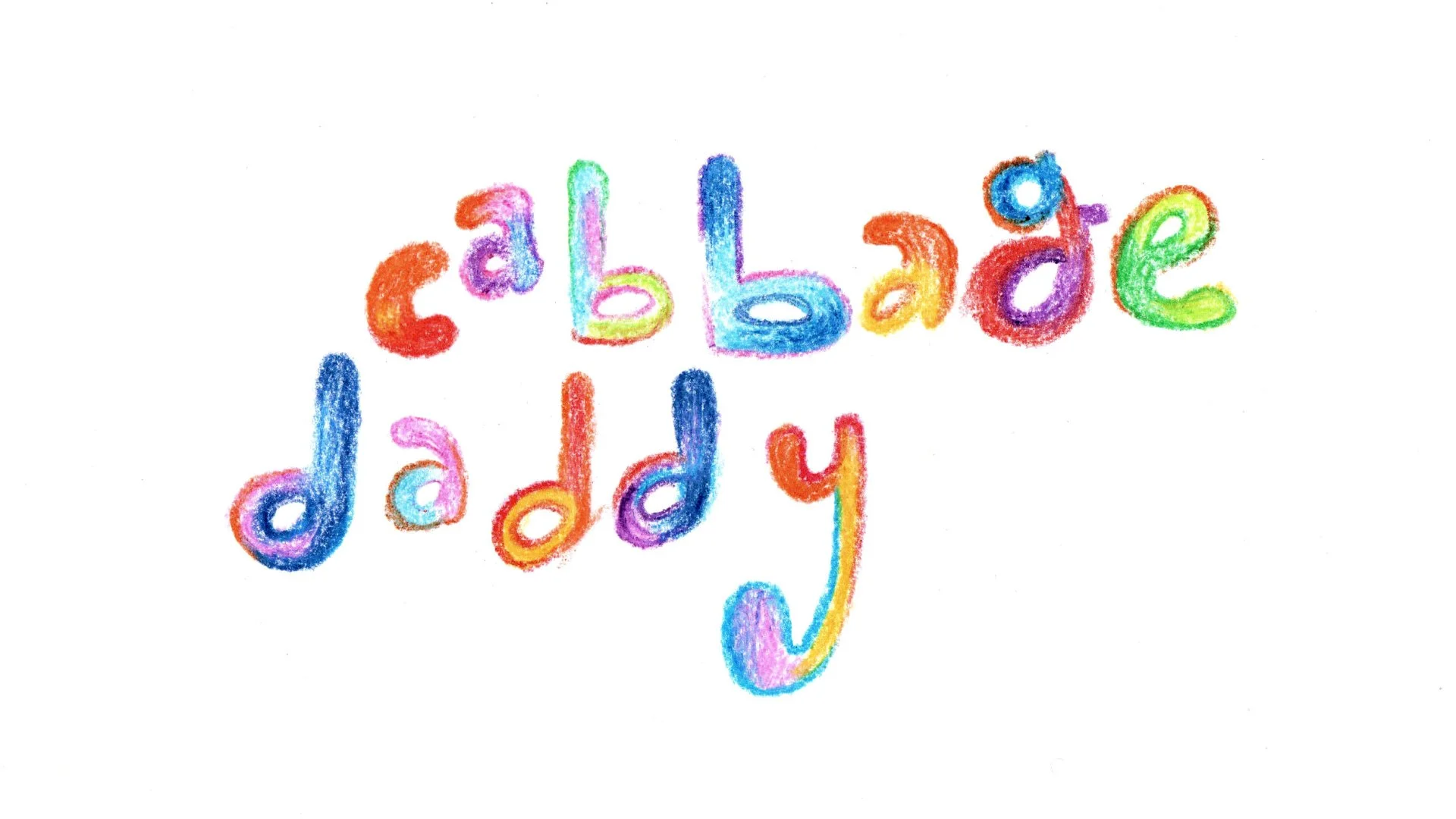
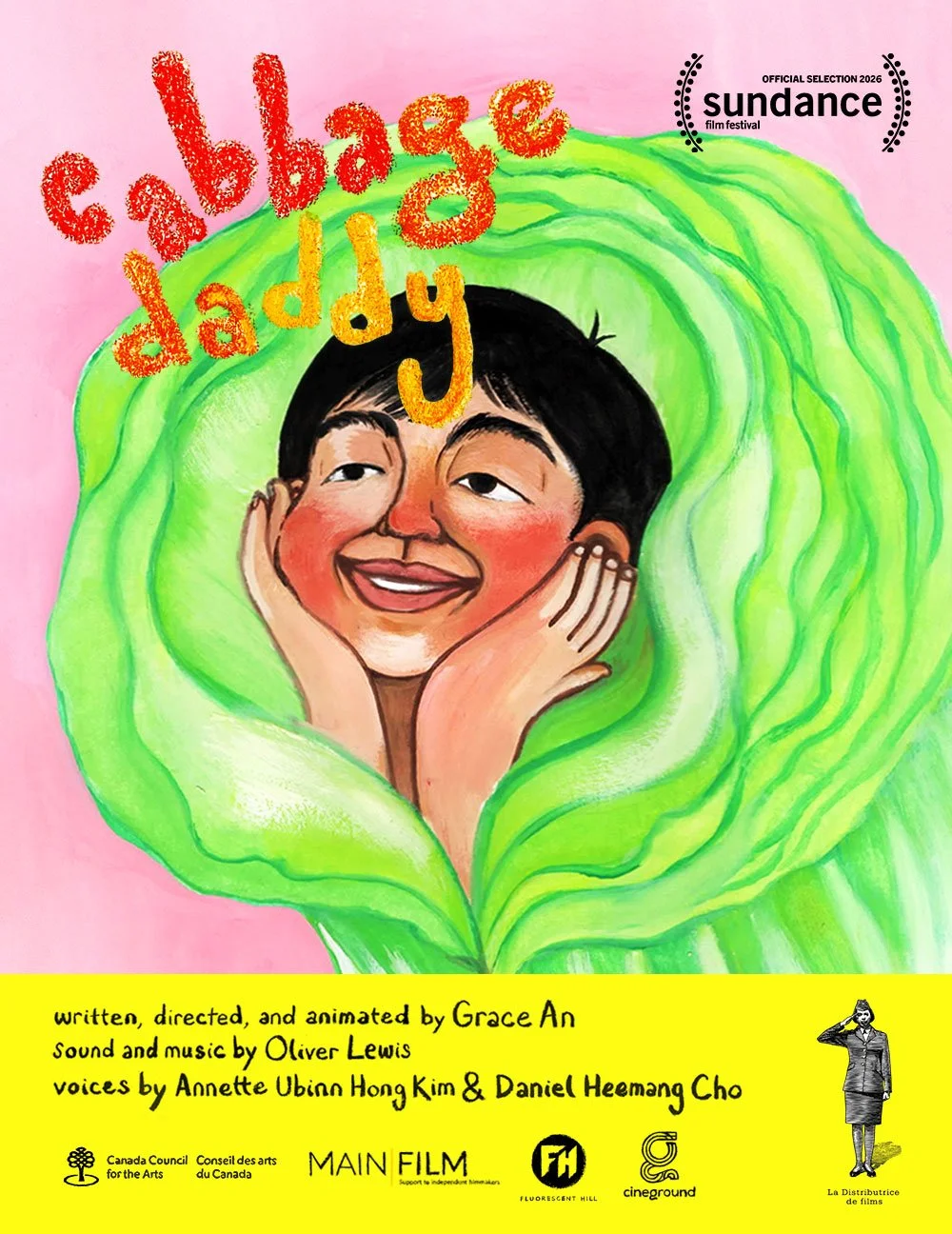
Cabbage Daddy is an experimental animated short film about mistranslations and miscommunication in English and Korean. Illustrating homophones and false friends that occur between the two languages with a bit of humour, evident in the playful use of crayons.
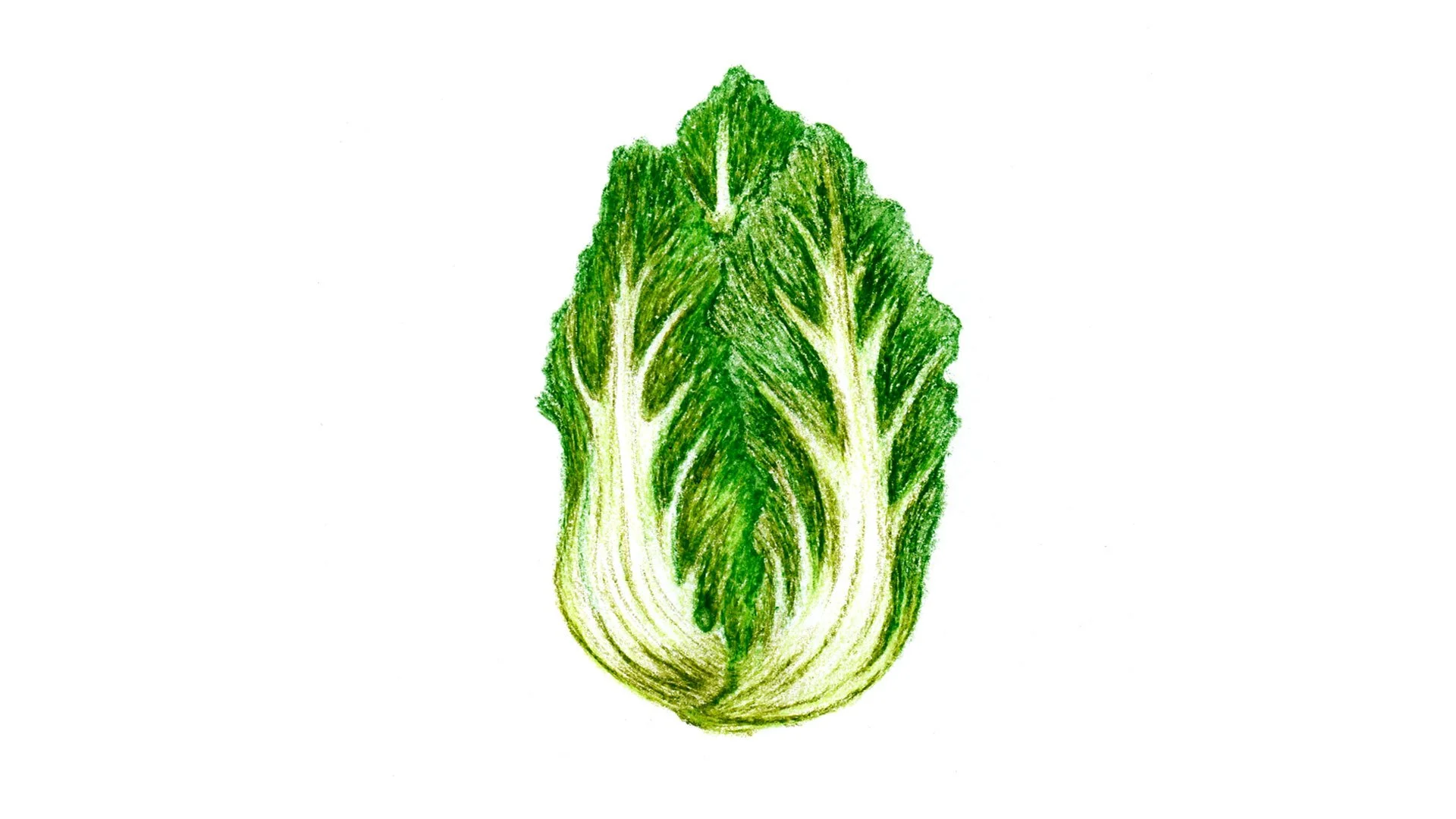
“Nappa” is a type of cabbage (the one used for kimchi) or “bad.” “Appa” can mean “hurts” or “daddy.” Therefore, “nappa-appa” = “bad daddy” or “cabbage_daddy.”
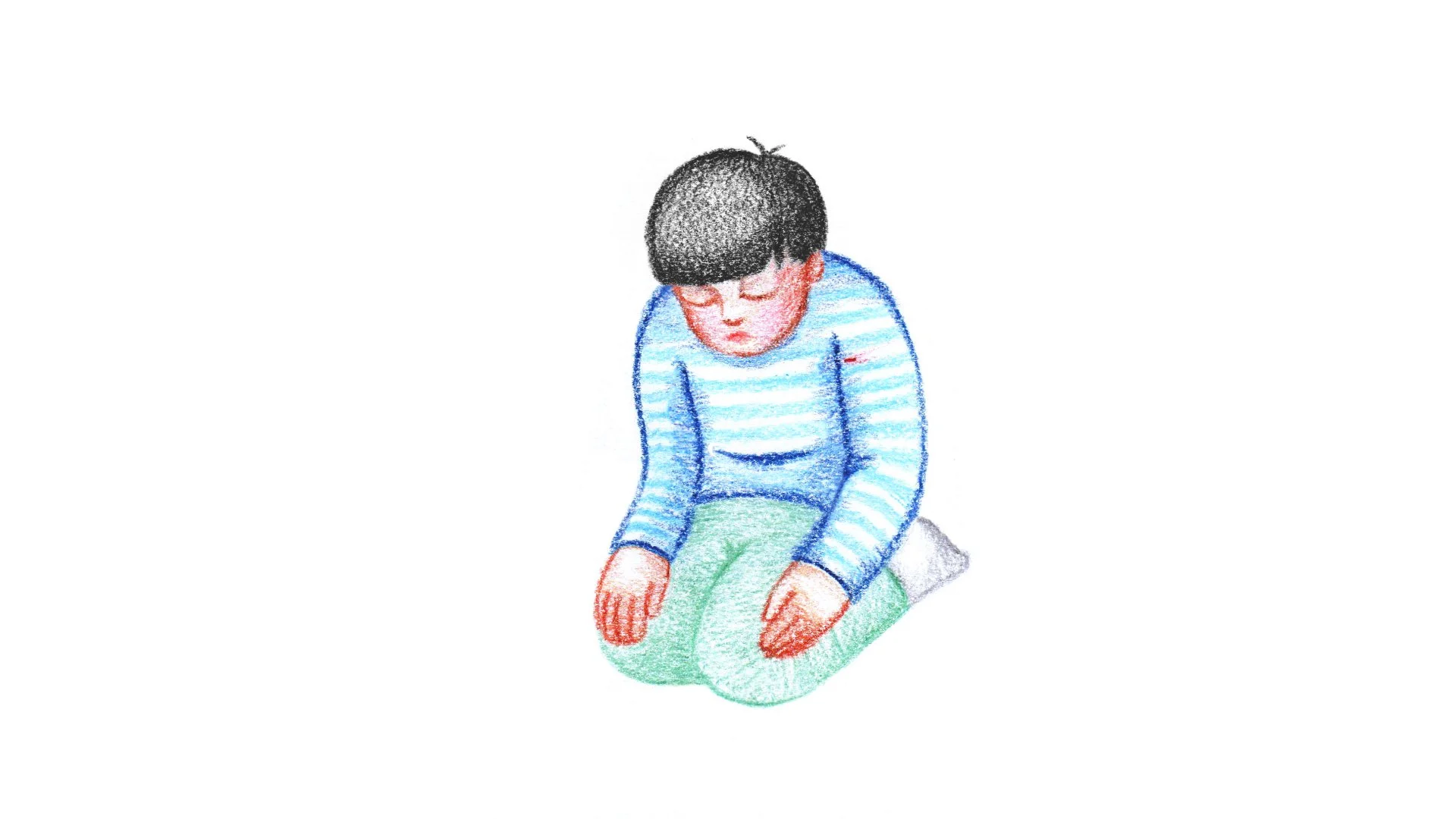
Attempting to capture the mind of a bilingual or allophone child. Mirroring absurd English translations that are seen on well-meaning t-shirts and stationery. That may accidentally produce multiple meanings through its poetic misinterpretations. Asking audiences to think of their favourite puns.
written, directed, and animated by: GRACE AN
sound and music by: OLIVER LEWIS
female voices: ANNETTE UBINN HONG KIM 홍김유빈, GRACE AN 안은혜
male voices: DANIEL HEEMANG CHO 조희망, OLIVER LEWIS
child voices: ALEX SHAWKI, YUSEF SHAWKI CHU
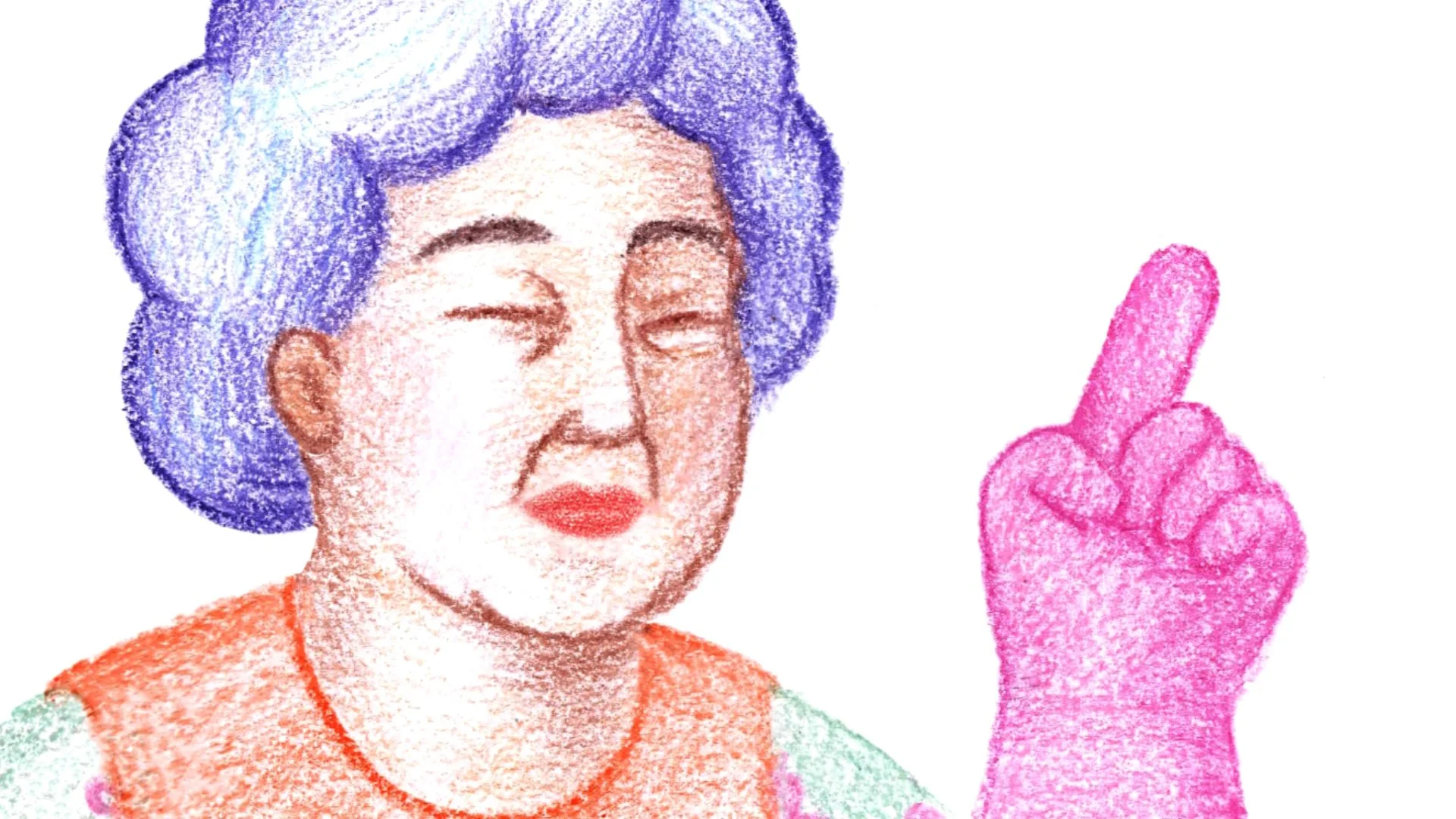
grandmother voices: JULIE HYUNJU AN 안현주
Festival Selections
Sundance Film Festival, Short Film Program, Park City, Salt Lake City, USA — 2026 (World Premiere)
Tricky Women/Tricky Realities, “In Transmission,” Vienna, Austria — 2026
The Young Barbican Takeover Festival, Curated by SplicD Cinema, London, England — 2026
Annual Asian American Showcase, “Sketches in Motion: AAPI Animated Shorts,” Chicago, USA — 2026
AFX: Animation Film Festival of Halifax, “Up Late,” Halifax, Canada — 2026
Les Sommets du cinéma d'animation, Canadian Competition 4, Montréal, Canada — 2026
Linoleum International Contemporary Animation and Media Art Festival, Kyiv, Ukraine — 2026
Ottawa International Animation Festival, Ottawa, Canada — 2026
Indie Street Film Festival, New Jersey, USA — 2026
Minnanimate, Minneapolis, USA — 2026
Screenshot: Asia, Pittsburgh, USA — 2026
Boston Asian American Film Festival, Boston, USA — 2026
San Diego Asian Film Festival, San Diego, USA — 2026
Prinanima, Budaörs, Hungary - 2026
Dnipranima, Dnipro, Ukraine - 2026
Chilliwack Independent Film Festival, Chilliwack, Canada — 2026
DIRECTOR’S STATEMENT
Cabbage Daddy is a glimpse into the mind of someone who is not so good at learning multiple languages. It is not necessary to be able to understand everything in the film. It’s one thing on the surface and another, depending on the language one speaks. Many Koreans may feel frustrated, as the script contains connections that only an English-speaking mind would make. I enjoyed playing with meaning and our ability to search for them in words, no matter how random. What I found most rewarding in this process was how audiences connected to the concepts and made subjective links.
Upon completing previous projects, I was worried my work would be representative of a culture I didn’t feel I could speak on behalf of. So, I looked for ways where my perspective and interpretation of a language could produce a unique dialogue. The initial idea for Cabbage Daddy began in 2020 after a short film that dealt with similar themes of miscommunication.
The true north I had set for this film was to make something funny and playful. I was inspired to take a more experimental approach to dialogue, but it evolved into a narrative that made sense of the absurd correlations of words. While I had a specific vision for the sound and music, using a playlist as a starting point for the film, Oliver Lewis honoured the treatment with his own twist. I set out to use crayons to fit the juvenile theme, and it was a surprisingly beautiful medium to work with, but difficult to control. As well as being uncomfortable, leading to calluses. The results were much lighter than what I was used to. There were areas where I needed to redo the animation to become intentionally minimal between the many fast cuts. Although I aimed for an effortless ‘bedroom’ aesthetic, what had emerged was a tension between styles.
I had such a wonderful time making this: staying indoors, working, animating, reading, and cooking. During production, I even started to make kimchi during cabbage season!
PRESS
MOT DE LA RÉALISATION
Cabbage Daddy est une capture mentale de quelqu'un qui n'est pas très doué pour apprendre les langues. Il n'est pas nécessaire de comprendre chaque ligne du film. Le sens propre ou figuré change d’une langue à une autre. Certains dont la langue maternelle est le coréen peuvent se sentir frustrés, car le scénario suit une logique que seul un esprit anglophone pourrait comprendre. J'ai aimé jouer avec la polysémie et avec notre habilité à interpréter les significations au-delà des mots, aussi aléatoires soient-ils. Ce que j'ai trouvé le plus gratifiant dans ce processus, c'est la façon dont les concepts abordés résonnent pour le public.
Après avoir terminé mes projets précédents, je craignais que mon travail devienne représentatif d'une culture que je ne me permettrais pas représenter. J’ai donc cherché à puiser dans ma propre perspective et mon interprétation d’une langue pour produire un dialogue unique. L’idée initiale de Cabbage Daddy est née en 2020, après un court métrage qui abordait des thèmes similaires de malentendus.
Mon objectif était de créer quelque chose de drôle avec un ton léger. J’ai commencé avec une approche expérimentale du dialogue, mais celle-ci a évolué vers une narration structurée qui donne du sens aux corrélations absurdes des mots. J’avais une vision précise du son et de la musique, utilisant une liste de chansons comme point de départ pour le film, mais le compositeur Oliver Lewis a apporté sa touche personnelle lors du traitement. J’ai choisi d’utiliser des crayons de couleur pour suggérer un univers visuel juvénile. C’était un médium étonnamment beau à travailler, mais difficile à maîtriser. À force de l’utiliser, j’en développais des callosités aux doigts. Le résultat était esthétiquement beaucoup plus léger en comparaison avec les médiums auxquels je suis habituée. Il y avait des séquences au rythme saccadé où j’ai dû refaire l’animation pour les rendre volontairement minimalistes. Bien que je recherchais une esthétique « chambre à coucher » faite sans prétention, une tension a émergé entre les différents styles.
J’ai passé un moment formidable à réaliser ce film : rester chez moi, travailler, animer, lire et cuisiner. Pendant sa production, j’ai même préparé du kimchi pendant la saison des choux !
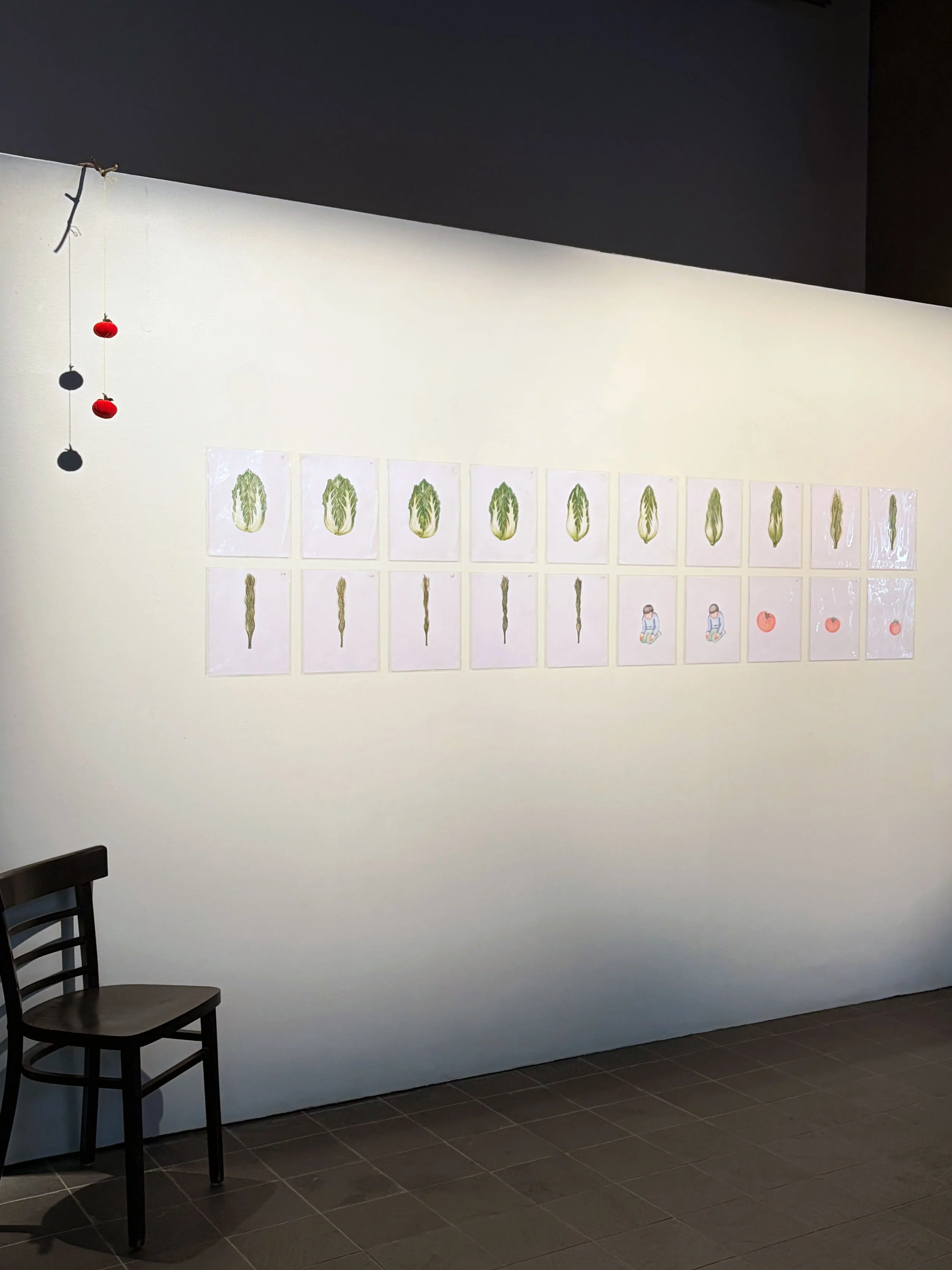
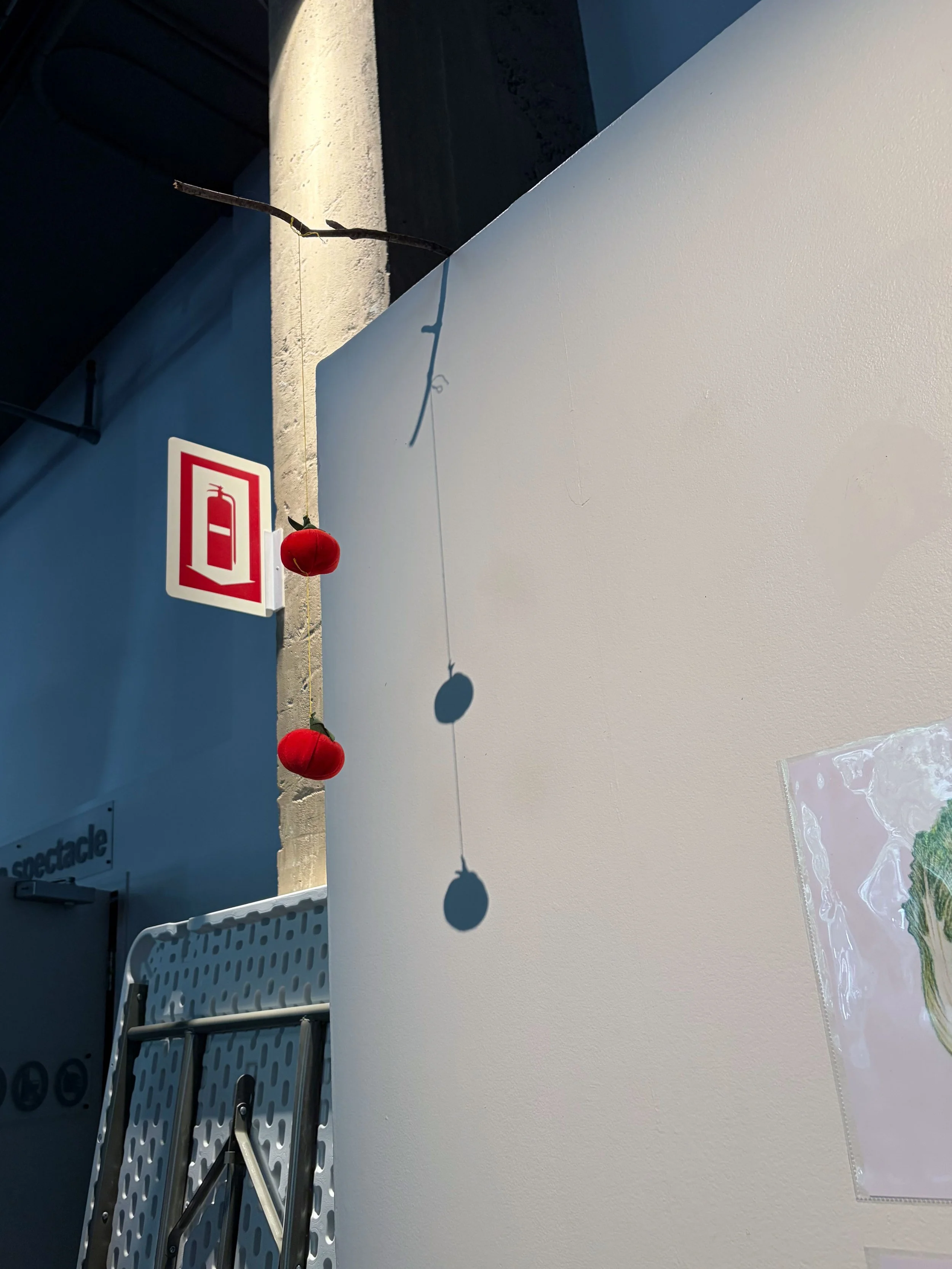
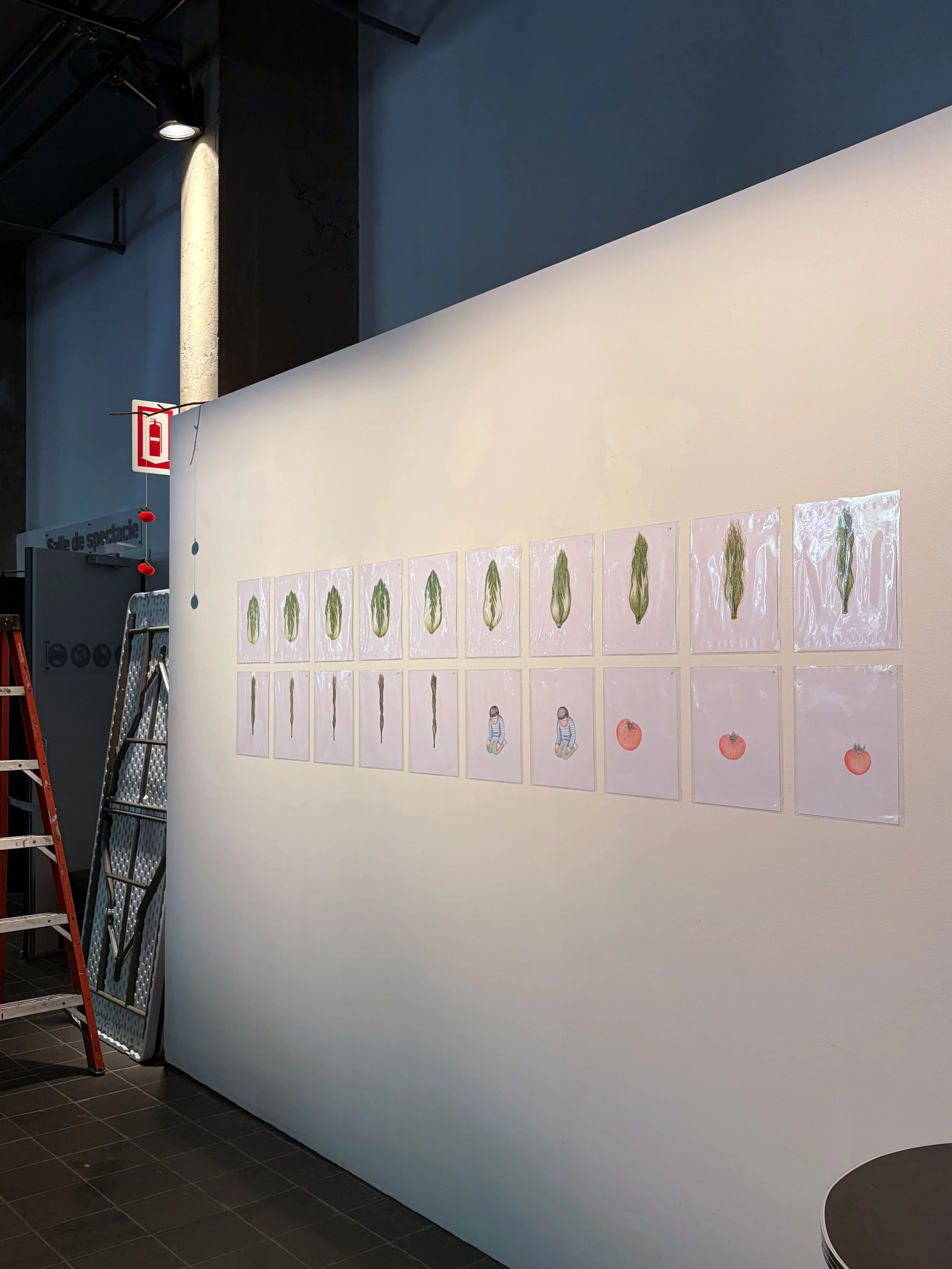
August 21, 2026 exhibit at Engage MTL (Local Streams), MAI, Montréal.
